Streamline Your Branding with a Canva Minimalist Ingredients Label
In the modern landscape of small business and artisanal creation, presentation is not merely an afterthought—it is a fundamental component of consumer trust. Whether you are crafting homemade candles, blending organic skincare, or packaging small-batch food items, the label serves as the silent ambassador of your brand. Among the various design choices available today, the Canva Minimalist Ingredients Label has emerged as a preferred solution for creators who value clarity, elegance, and efficiency. This digital tool allows entrepreneurs to bypass the steep learning curve of professional graphic design software while maintaining a high standard of visual communication.
The shift toward minimalism in product labeling is not just an aesthetic trend; it reflects a broader change in consumer behavior. Today’s buyers are increasingly informed and skeptical. They look for transparency. A cluttered label can obscure vital information, whereas a minimalist approach highlights what matters most: the ingredients. By utilizing a template designed specifically for this purpose, you align your product with contemporary expectations of honesty and sophistication.
The Evolution of Digital Design Tools for Entrepreneurs
Gone are the days when creating professional-grade packaging required expensive software subscriptions and extensive technical training. The democratization of design through platforms like Canva has reshaped how small businesses operate. When we discuss a Canva Minimalist Ingredients Label, we are referring to more than just a static image; we are talking about a flexible, cloud-based workflow that integrates seamlessly into a modern creator’s life.
This specific template is a digital item. It is crucial to understand that no printed item will be shipped to your home. Instead, you receive immediate access to a customizable framework. This digital-first approach offers several distinct advantages. First, it eliminates shipping delays and environmental waste associated with physical proofs. Second, it provides unlimited flexibility. Because the template was made by Canva, there is no need to download any software. You can personalize your labels online, accessing your work from any device with an internet connection.
The platform itself is designed for accessibility. It is a simple, easy-to-use interface that prioritizes user experience. For optimal performance, Chrome and Edge are the preferred browsers, ensuring that drag-and-drop functions and font rendering occur without glitch or delay. Furthermore, unlike some subscription-based stock assets, this template comes with no expiration or download limit. Once purchased, the resource is yours to use repeatedly, making it a cost-effective asset for growing businesses.
Customization and Brand Consistency
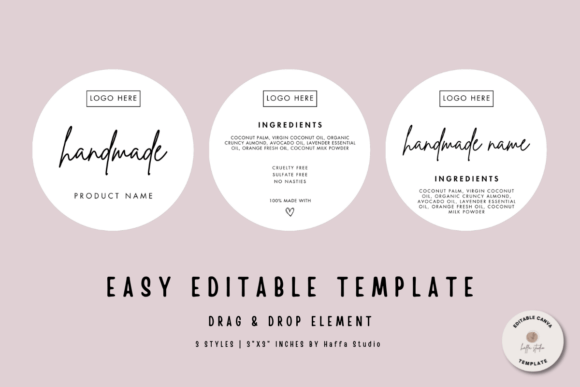
One of the primary concerns for any brand owner is consistency. A minimalist label does not mean a generic one. The power of this template lies in its adaptability. While the structure provides a clean, organized layout for listing ingredients, every visual element is fully editable. Here is what you can do to make the label uniquely yours:
- Typography Control: Text font, color, and size can be changed to match your brand guidelines. Whether you prefer a sleek sans-serif for a modern tech-inspired look or a classic serif for a rustic, organic feel, the choice is yours.
- Visual Identity Integration: You can import your logo, clip art, or picture in common formats such as JPG, PNG, or SVG. This ensures that your label is not just informative but also recognizable.
- Product Line Expansion: As your business grows, so does your inventory. You can create a cohesive product line by clicking the “duplicate page” button located above the artboard. This feature allows you to maintain the same structural integrity across different products while swapping out specific ingredient lists or product names.
This level of customization ensures that even though you are using a template, the final output feels bespoke. It bridges the gap between professional design standards and DIY agility.
How the Process Works
For those new to digital templates, the process might seem abstract, but it is remarkably straightforward. The workflow is designed to get you from purchase to print-ready file in minutes. Here is a breakdown of how it works:
- Purchase and Access: After you purchase this template, you will receive a .zip file. Inside, you will find a PDF document containing the direct links to the Canva template.
- Template Contents: The package includes a 3″ x 3″ Label design. This square format is versatile, fitting well on jars, boxes, and bottles commonly used in artisanal markets.
- Editing: All you need is a FREE Canva account and a basic knowledge of the platform. If you are not familiar with Canva, do not worry. Detailed instructions are provided to guide you through editing the template, ensuring that even beginners can achieve professional results.
The emphasis on a free account lowers the barrier to entry significantly. You do not need to commit to a Pro subscription to utilize this specific template effectively, although having one may offer additional stock photos or fonts if you choose to expand your design later.
From Screen to Shelf: Printing Your Labels
Designing the label is only half the journey; the physical realization of the product is where the customer interaction begins. Because this is a digital file, you have complete control over the printing process. This flexibility allows you to choose a method that suits your budget and volume needs.
You have several viable options for bringing your Canva Minimalist Ingredients Label to life:
- Home Printing: For small batches or prototypes, you can print at home. Using high-quality sticker paper or cardstock can yield impressive results. This method is ideal for testing designs or fulfilling initial, low-volume orders.
- Professional Local Printers: Stores like Staples or Office Depot offer quick turnaround times and professional-grade printing services. This is a excellent middle ground for small businesses that need higher quality than home printers can provide but do not want to commit to large bulk orders.
- Online Print Services: Platforms like Vistaprint allow you to upload your files and order custom-cut stickers or labels in bulk. This is often the most cost-effective solution for scaling businesses.
- Local Print Shops: Supporting local businesses can also provide personalized service and advice on paper stocks and finishes, such as matte, gloss, or textured options.
Regardless of the method you choose, the key is ensuring your file is exported correctly from Canva. Typically, selecting "PDF Print" ensures the highest resolution and crisp text, which is vital for legibility on small 3″ x 3″ labels.
Why Minimalism Matters in Modern Marketing
The choice of a minimalist design is strategic. In a retail environment, whether physical or digital, consumers are bombarded with visual noise. A minimalist label cuts through this clutter. It uses white space effectively to draw the eye to the essential information. For ingredients specifically, this clarity is paramount.
Consider the rise of the "clean beauty" movement or the organic food sector. Consumers in these markets are reading labels more closely than ever before. They are looking for short, understandable ingredient lists. A minimalist label reinforces the message that your product is pure and uncomplicated. It suggests that you have nothing to hide. By using a Canva Minimalist Ingredients Label, you are not just decorating your product; you are communicating your brand values.
Furthermore, minimalism is timeless. Trends in color and illustration come and go, but clean typography and structured layouts remain elegant. Investing in a minimalist template means your packaging is less likely to look dated in a year or two, providing better long-term value for your branding efforts.
Practical Implications for Creators and Businesses
Adopting this digital workflow has practical implications beyond aesthetics. It streamlines operations. Because the template is easy to duplicate and edit, updating your labels becomes a trivial task. If you change a supplier and need to update an ingredient list, you can do so in minutes rather than days. This agility is crucial for small businesses that must adapt quickly to market changes or regulatory requirements.
Additionally, the cost savings are significant. Traditional design agencies charge hundreds, if not thousands, of dollars for custom packaging design. By leveraging a pre-made, customizable Canva template, you retain that budget for other critical areas of your business, such as product development or marketing.
In conclusion, the Canva Minimalist Ingredients Label represents a convergence of design efficiency, modern aesthetic preferences, and practical business needs. It empowers creators to present their products with professionalism and clarity, fostering trust with their customers. By embracing this digital, customizable approach, you position your brand for success in a competitive marketplace, ensuring that your product speaks for itself before it is even opened.